

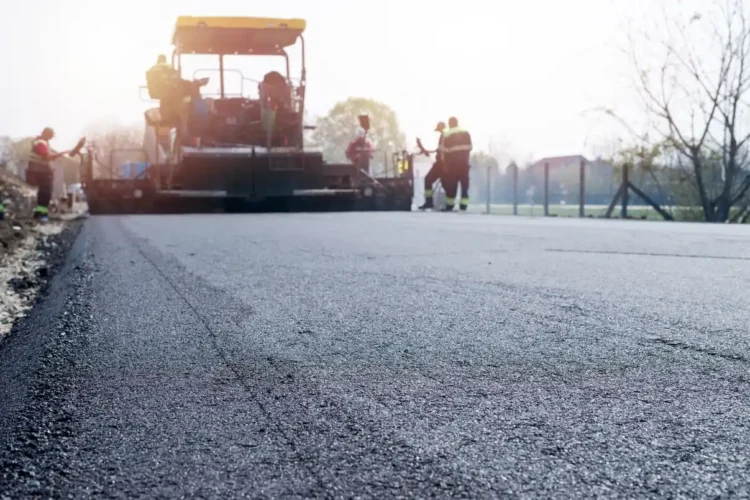
Asphalt procurement is the process of sourcing hot mix, cold mix or recycled asphalt pavement (RAP) from a plant near the job, then timing delivery to the paving crew.
Hot mix has to be laid while it is still hot, so haul distance, plant hours and truck scheduling decide whether the order succeeds.
Asphalt looks like one material. On the order sheet it is at least three, and each one is bought, scheduled and delivered differently. Pick the wrong one and the patch fails in a season. Pick the right one but time it badly and the load cools in the truck before it reaches the paver.That is why asphalt procurement is as much about logistics as it is about the material itself. This guide explains the difference between hot mix, cold mix and RAP, when each one fits, and how National Dispatching coordinates an asphalt order from the plant to the paving crew.What is the difference between hot mix, cold mix and RAP?
Asphalt procurement generally falls into three material categories: hot mix asphalt, cold mix asphalt and recycled asphalt pavement (RAP). Each serves a different purpose and needs to be ordered with its intended application in mind.| Type | What it is | Best for | Ordering note |
|---|---|---|---|
| Hot mix asphalt | Aggregate and binder mixed and heated at a plant | New paving, overlays, roads and parking lots | Must be placed and compacted while hot, so delivery timing is critical |
| Cold mix asphalt | A mix that stays workable at outdoor temperatures | Patching, pothole repair, temporary fixes and cold-weather work | Can be stockpiled and ordered in smaller quantities |
| RAP (recycled asphalt pavement) | Old asphalt milled from existing roads and reprocessed | Base layers, access roads, driveways and as part of new mixes | Supply depends on milling activity near the job |
Which asphalt fits your project?
Start with what the surface has to do and how long it has to last. If you are still choosing between paving materials, compare asphalt vs concrete for roads first.- A new road, lot or full overlay almost always calls for hot mix. It gives the strength and finish a permanent surface needs.
- Repairs and patching, especially outside the paving season, usually call for cold mix. It is easy to place and does not depend on a running plant.
- Haul roads, laydown areas, base courses and rural access are often a good fit for RAP, where cost matters more than a finished surface.
Why does plant distance matter so much for hot mix?
Hot mix starts losing temperature the moment it leaves the plant. The longer the haul, the cooler the load when it reaches the paver. Asphalt that arrives too cool is harder to place and harder to compact, and poor compaction can shorten the life of the pavement.That makes distance the first filter in asphalt procurement for hot mix. A plant that is cheaper per ton but much further away can cost more once you count the extra trucks, the extra haul time and the risk of rejected loads.Plant hours matter just as much. Asphalt plants run on schedules, and in colder regions many cut back or close for part of the year. An order for early morning paving has to be booked against a plant that is actually producing at that hour.How are asphalt deliveries timed to the paving crew?
A paver works best when it never stops. Each time it waits for the next truck, the mat cools at the seam and the finish suffers. So the real question in asphalt procurement is not only how many tons are needed, but how many trucks it takes to keep that paver moving.That depends on three things:- How fast the crew is laying material
- How long one round trip from plant to site takes
- How much each truck carries
When does RAP make sense?
RAP is reclaimed asphalt that has been milled off existing pavement, then crushed and screened for reuse. It is often less expensive than new material and keeps usable asphalt out of the waste stream.It works well where a firm, drivable surface matters more than a finished one: temporary haul roads, equipment yards, shoulders and base layers. It is also commonly blended into new hot mix, within whatever limits the project spec allows.For asphalt procurement, the catch with RAP is supply. RAP availability depends on how much milling is happening nearby, so it is worth checking early rather than assuming it will be there.What should every asphalt order include?
Good asphalt procurement starts with an order that answers these questions before anything is dispatched:- Material type and mix spec, including any agency or owner requirement
- Total tonnage, and how it splits across days or phases
- Paving start time and expected laydown pace
- Site address, access route and where trucks should stage
- On-site contact who receives the loads
- Whether trucking is supplied with the material or ordered separately
How an asphalt order moves from request to closed invoice
Asphalt is a material order, so it runs on the non-rental track. The request is taken in and quoted, plants near the site are compared side by side, and one is selected. A formal purchase order goes to the plant, the plant confirms the mix and the loading window, and the loads are dispatched with proof of delivery on site. The order then moves straight to invoice and close, where the invoice is reconciled and the supplier’s performance is recorded.Every one of those steps exists to protect the same thing: the right mix, at the right temperature, reaching the paver on time.Why hand asphalt procurement to one desk?
On most jobs, the paving crew, the plant and the trucks are booked by different people. When something shifts, like a later start or a plant running behind, each party hears about it separately, and often too late.National Dispatching brings that coordination to one desk for approximately 2,450 customer accounts, drawing on a network of approximately 2,480 vendor accounts across the United States. Its construction procurement services manage the plant, the trucks and the schedule together, so a change in one is reflected in the others.Paving soon? Send one request to the National Dispatching desk and we will source the plant, schedule the trucks and confirm every load.FAQ
Hot mix is produced and placed at high temperature and is used for new paving and overlays. Cold mix stays workable at outdoor temperatures and is used mainly for patching and repairs.
RAP stands for recycled asphalt pavement. It is old asphalt milled from existing surfaces, then reprocessed for use as a base material or blended into new mixes.
Hot mix cools during transport. A long haul can deliver material that is too cool to place and compact properly, which shortens the life of the pavement.
It involves matching the mix to the project spec, finding a plant near the site, booking a loading window, scheduling enough trucks to keep the paver moving, and confirming each delivery on site.

