

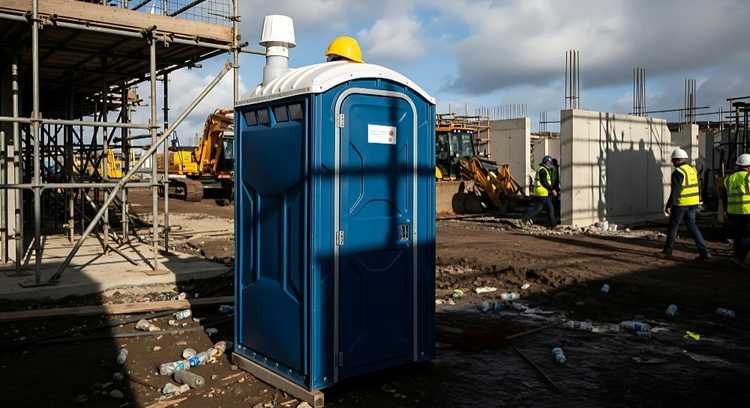
Providing adequate sanitation on a construction site is a basic operational requirement. Portable restroom rental for construction projects ensures that workers have access to hygienic facilities, supports compliance with regulations, and helps maintain productivity.
Determining how many units are required depends on workforce size, project duration, and regulatory standards. Contractors must plan restroom availability carefully to avoid compliance issues, delays, and inefficiencies.
This guide explains how to calculate the right number of portable restrooms for a job site, outlines OSHA requirements, and highlights key considerations for selecting the right rental solution.
What Is Portable Restroom Rental for Construction?
Portable restroom rental for construction involves providing temporary sanitation facilities at job sites where permanent plumbing is not available. These units are designed to be durable, easy to maintain, and suitable for outdoor work environments.
Common types of portable restrooms include:
- Standard portable toilets
- Flushable units with sinks
- ADA compliant restroom rental units
- High-capacity or trailer-mounted restrooms
These options allow contractors to choose facilities based on workforce needs and site conditions.
Why Portable Restrooms Are Essential on Job Sites
Portable restrooms are not just a convenience. They are a requirement for maintaining safe and compliant working conditions.
Providing adequate restroom facilities helps:
- Maintain worker hygiene
- Reduce time lost from workers leaving the site
- Improve overall productivity
- Meet OSHA restroom requirements for construction
- Create a more organized and professional jobsite
A lack of proper facilities can lead to compliance violations and negatively impact workforce efficiency.
OSHA Restroom Requirements for Construction
The Occupational Safety and Health Administration (OSHA) sets specific standards for sanitation on construction sites.
According to OSHA restroom requirements for construction:
- One toilet is required for up to 20 workers
- Two toilets are required for 21 to 40 workers
- Three toilets are required for 41 to 60 workers
- Additional units must be added as workforce size increases
These guidelines are designed to ensure that workers have reasonable access to restroom facilities without delays.
Contractors must also ensure that restrooms are:
- Clean and maintained regularly
- Easily accessible from work areas
- Properly stocked with necessary supplies
Failure to meet OSHA requirements can result in penalties and project disruptions.
How to Calculate the Number of Portable Restrooms Needed
Determining the correct number of portable restroom units requires evaluating several factors.
1. Workforce Size
The number of workers on site is the primary factor. OSHA guidelines provide a baseline, but contractors may need additional units based on project conditions.
2. Project Duration
Long-term projects require more consistent maintenance and may benefit from higher-capacity units or restroom trailers.
3. Shift Patterns
If multiple shifts are working on the same site, restroom usage increases. Additional units may be required to accommodate peak usage times.
4. Type of Work
Labor-intensive projects may require more frequent restroom use. Contractors should consider the nature of work when planning facilities.
5. Site Layout
Large or spread-out job sites may require multiple restroom locations to ensure accessibility.
Example Calculation
For a job site with 50 workers:
- OSHA minimum requirement: 3 units
- Adjust for shifts and usage: 4–5 units recommended
For larger projects with 100 workers:
- OSHA minimum requirement: 5 units
- Recommended: 6–8 units depending on usage and layout
Providing slightly more than the minimum helps reduce wait times and improve efficiency.
Types of Portable Restrooms for Job Sites
Choosing the right type of restroom is as important as determining the number of units.
Standard Portable Toilets
These are the most common options for construction sites. They are cost-effective and suitable for most projects.
Flushable Units
Flushable portable restrooms provide improved hygiene and are often used for longer projects or sites with higher standards.
ADA Compliant Restroom Rental
ADA compliant restroom rental units are designed to accommodate workers with disabilities. These units are larger and provide easier access.
Including at least one ADA-compliant unit is recommended for larger job sites or where accessibility requirements apply.
Restroom Trailers
For large-scale or high-profile projects, restroom trailers offer additional comfort and capacity. These are typically used for extended-duration projects.
Portable Toilet Rental Near Me: What Contractors Should Consider
When searching for portable toilet rental near me, contractors should evaluate more than just availability.
Key considerations include:
- Delivery and pickup timelines
- Maintenance and cleaning schedules
- Unit quality and condition
- Availability of ADA-compliant units
- Ability to scale units based on project needs
Working with a provider that understands construction requirements helps ensure that restroom services align with project timelines.
Maintenance and Servicing Requirements
Portable restrooms must be serviced regularly to maintain hygiene and usability.
Typical maintenance includes:
- Cleaning and sanitization
- Waste removal
- Restocking supplies such as toilet paper and hand sanitizer
Service frequency depends on usage. High-traffic sites may require multiple service visits per week.
Proper maintenance ensures compliance with OSHA standards and improves overall worker experience.
Placement and Accessibility of Restrooms
The placement of portable restrooms affects how efficiently they are used on site.
Best practices include:
- Positioning units close to active work areas
- Avoiding overcrowding in one location
- Ensuring easy access for servicing vehicles
- Placing units on stable, level ground
Strategic placement reduces travel time for workers and improves overall productivity.
Common Mistakes Contractors Should Avoid
Contractors often underestimate restroom requirements, leading to operational issues.
Common mistakes include:
- Providing only the minimum number of units
- Ignoring site layout and accessibility
- Failing to schedule regular maintenance
- Not accounting for multiple shifts
- Overlooking ADA compliance
Avoiding these mistakes helps maintain a smooth and compliant jobsite.
Why Proper Planning Improves Jobsite Efficiency
Restroom availability may seem like a small detail, but it has a direct impact on productivity.
When facilities are easily accessible and well-maintained:
- Workers spend less time away from tasks
- Jobsite operations remain organized
- Compliance risks are reduced
- Overall efficiency improves
Proper planning ensures that restroom services support the workflow rather than disrupt it.
When to Increase the Number of Units
Contractors should consider adding more units when:
- Workforce size increases
- Project scope expands
- Weather conditions affect usage
- Maintenance frequency cannot keep up with demand
Adjusting the number of units based on real-time conditions helps maintain efficiency throughout the project.
Final Thoughts
Portable restroom rental for construction sites is an essential part of jobsite planning. Determining the right number of units requires careful consideration of workforce size, project duration, and regulatory requirements.
Following OSHA restroom requirements for construction provides a baseline, but contractors should plan beyond minimum standards to ensure efficiency and compliance.
By selecting the right type of units, maintaining proper servicing schedules, and ensuring accessibility, contractors can create a well-organized jobsite that supports productivity from the start.

