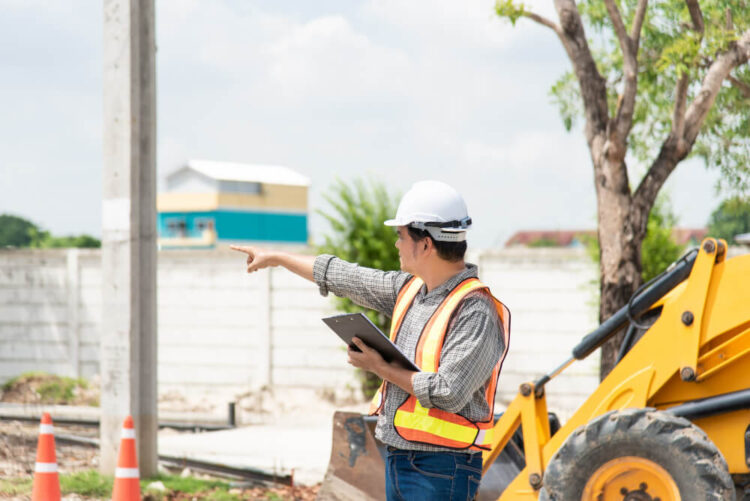

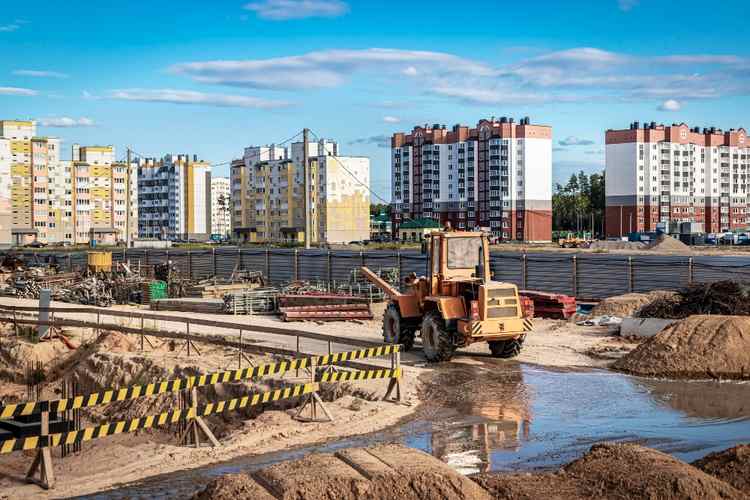
Construction site services refer to the essential support systems and infrastructure required to prepare a jobsite before construction begins. These services ensure that equipment, materials, and crews can operate efficiently from the start of a project.
Before any physical work takes place, contractors must establish site readiness through temporary power, access planning, equipment coordination, and material setup. Without these elements in place, projects may face delays, inefficiencies, and operational challenges.
Understanding construction site services helps contractors plan effectively, reduce risks, and ensure that project execution begins without disruption.
What Are Construction Site Services in Construction?
Construction site services include all temporary and operational support required to make a jobsite functional before and during construction. These services create the working environment necessary for crews, equipment, and materials to operate safely and efficiently.
They typically cover multiple areas of project preparation and coordination, including:
- Temporary power rental
- Site setup and preparation
- Equipment delivery and coordination
- Material supply and handling
- Construction site support services and logistics
Each component plays a specific role in ensuring that the jobsite is ready for construction activities. Without proper coordination of these services, even well-planned projects can face delays at the initial stages.
Why Construction Site Services Are Important Before Work Starts
Construction site services directly influence how efficiently a project begins and progresses. A properly prepared jobsite allows contractors to start work immediately without interruptions.
Key benefits of well-planned construction site services include:
- Reduced project start delays
- Improved crew productivity
- Better equipment utilization
- Safer working conditions
- More efficient material handling
When site services are not properly arranged, contractors often experience idle time, miscommunication between vendors, and scheduling conflicts. These issues can impact both project timelines and costs.
Temporary Power Rental for Construction Sites
Temporary power rental is one of the most critical construction site services, especially during early project phases when permanent electrical connections are not yet available.
Temporary power systems are used to operate:
- Construction tools and machinery
- Lighting systems for safety and visibility
- Site offices and temporary structures
- Communication and monitoring equipment
Reliable temporary power ensures uninterrupted operations and allows crews to begin work without delays. Poor planning in this area can result in downtime and reduced productivity.
Contractors should assess power requirements early and ensure that temporary power rental solutions are aligned with project needs.
Site Setup Contractor Responsibilities
A site setup contractor is responsible for preparing the physical jobsite so that construction work can begin safely and efficiently. Site setup involves establishing the basic structure and layout required for operations.
Typical responsibilities include:
- Clearing and grading the site
- Establishing access roads and entry points
- Setting up temporary fencing and safety barriers
- Installing signage and safety indicators
- Preparing designated areas for equipment and material storage
Proper site setup ensures that crews can move freely, equipment can be operated safely, and materials can be handled efficiently. Inadequate setup can lead to safety risks and operational delays.
Equipment Coordination and Availability
Equipment coordination is a key part of construction site services. Contractors must ensure that the right equipment is available at the right time to support project activities.
This includes:
- Identifying equipment requirements based on project scope
- Scheduling delivery and pickup
- Coordinating with multiple equipment providers
- Ensuring availability during peak construction periods
Delays in equipment availability can stop work before it begins. Contractors often rely on coordinated equipment sourcing to avoid these issues and maintain consistent project progress.
Material Supply and Handling
Material supply is another critical component of construction site services. Contractors must ensure that all required materials are available and delivered according to the project schedule.
Key considerations include:
- Sourcing materials in advance
- Scheduling deliveries to match project phases
- Managing on-site storage and organization
- Ensuring safe handling and accessibility
Poor material coordination can result in workflow interruptions, increased labor time, and additional costs. Proper planning helps maintain a steady flow of materials throughout the project.
Construction Site Support Services and Logistics
Construction site support services include ongoing coordination and logistics management throughout the project lifecycle. These services ensure that all operations remain aligned and efficient.
They typically involve:
- Coordinating deliveries and schedules
- Managing vendor communication
- Adjusting plans based on site conditions
- Supporting multiple job sites if required
Effective logistics management reduces confusion and helps contractors maintain control over project timelines. It also improves communication between teams and service providers.
Common Challenges Without Proper Site Services
When construction site services are not planned or managed effectively, contractors may face several operational challenges.
Common issues include:
- Delayed project start due to incomplete setup
- Idle crews waiting for equipment or materials
- Equipment mismatches or unavailability
- Poor coordination between vendors
- Increased safety risks on site
These challenges can impact productivity and lead to higher project costs. Addressing site services early helps prevent these issues.
How to Plan Construction Site Services Effectively
Contractors can improve project outcomes by planning construction site services in advance. A structured approach helps ensure that all requirements are met before work begins.
Recommended steps include:
- Define project scope and site requirements
- Arrange temporary power rental early
- Work with a reliable site setup contractor
- Schedule equipment delivery based on project phases
- Plan material procurement and storage
- Coordinate logistics through a centralized system
Proper planning reduces uncertainty and allows contractors to maintain control over project execution.
The Role of Centralized Construction Site Services
Managing multiple service providers independently can create complexity and increase the risk of delays. Centralized construction site services simplify coordination by bringing all components under a single system.
Benefits of centralized services include:
- Single point of coordination
- Improved communication across teams
- Faster response to changes
- Better control over schedules and resources
Contractors who use centralized solutions can streamline operations and reduce dependency on multiple vendors.
When Construction Site Services Are Most Critical
Construction site services are most critical during the early phases of a project, including:
- Site mobilization
- Pre-construction planning
- Initial setup and preparation
- Early-stage execution
Errors during these stages can affect the entire project timeline. Ensuring that site services are properly managed at the beginning helps prevent long-term issues.
Final Thoughts
Construction site services form the foundation of every construction project. From temporary power rental to site setup and logistics coordination, these services ensure that the jobsite is ready for efficient and safe operations.
For contractors, planning construction site services is a practical requirement rather than an optional step. Proper coordination of these services improves productivity, reduces delays, and supports consistent project execution.
Ensuring that all site services are in place before work begins allows projects to start on schedule and progress without unnecessary disruptions.