


A small ready-mix pour costs more per yard because of short load fees, charged when a truck goes out part full, and standby time, billed when it waits on site. Both are controlled at ordering, with exact yardage, every fee quoted and the site confirmed ready.
A small concrete pour can carry costs that are easy to overlook when placing an order. Short load fees and standby charges can increase the total, even when the amount of concrete needed is relatively small.
Understanding how these charges work, what triggers them and how to plan around them helps contractors manage ready-mix orders more effectively. This guide explains both charges and how National Dispatching coordinates small concrete pours to help keep costs and delivery schedules under control.
What is a short load in ready-mix concrete?
A ready-mix short load is any order that fills only part of a mixer truck. Most trucks carry somewhere around 8 to 10 cubic yards, and the plant pays for the same driver, fuel and drum washout whether the truck leaves with 10 yards or 3. The short load fee covers that gap.
How the fee is set depends on the plant. Some charge a flat amount below a minimum order. Others charge for every yard short of a full load. A few just raise the per-yard rate on small orders. That is why two quotes for the same 3 yards can look far apart until you put the fees side by side.
Short loads are not a planning failure. Footings, equipment pads, a curb repair and a run of fence posts are all examples of work that may only need a few yards. The point is to see the fee before the order is placed, not to find it on the invoice.
What is standby time, and what triggers it?
Standby time is what a plant charges when its truck waits on site. Each load usually comes with a set window for unloading. Once that window runs out, the waiting is billed.
On small pours, standby almost always starts at the site, not the plant. The forms haven’t been signed off. The pump isn’t set up yet. A locked gate or a blocked haul road keeps the truck from reaching the pour. The finisher is still wrapping up another job across town.
Standby costs you twice. You pay for the wait, and the concrete keeps hydrating in the drum the whole time, which shrinks the time your crew has to place and finish it. We cover that side of the problem in our article on why timing defines a ready-mix order.
How National Dispatching plans a small pour around both charges
Ready-mix runs on the non-rental track. The order moves from Intake through Dispatch and Deliver, then goes straight to Invoice and Close, because nothing stays on site to be returned. On a small pour, nearly all of the cost control happens before the truck is loaded.
- Intake. The dispatch desk records the exact yardage, the mix spec, the pour date and time, the site address and the on-site contact. Getting the yardage right here is what stops a second short load from going out later in the day.
- Quote. The customer sees the rate with delivery and every fee spelled out, short load charge included, before authorizing the order.
- Source. Plants near the site are compared side by side on availability, price and fees. Distance matters more for concrete than for almost anything else, because every minute on the road comes out of the usable window.
- Secure. A formal purchase order goes to the chosen plant. No verbal orders, so the agreed fees are in writing.
- Confirm. The plant confirms the delivery window, and the desk checks with the site contact that forms, access and crew will be ready for it.
- Dispatch and Deliver. The truck is dispatched to the confirmed window, the site has the driver’s contact, and delivery is confirmed on site.
At Invoice and Close, the plant’s bill is reconciled against the purchase order and the plant is scored on how the order went. That score follows the plant into the next comparison.
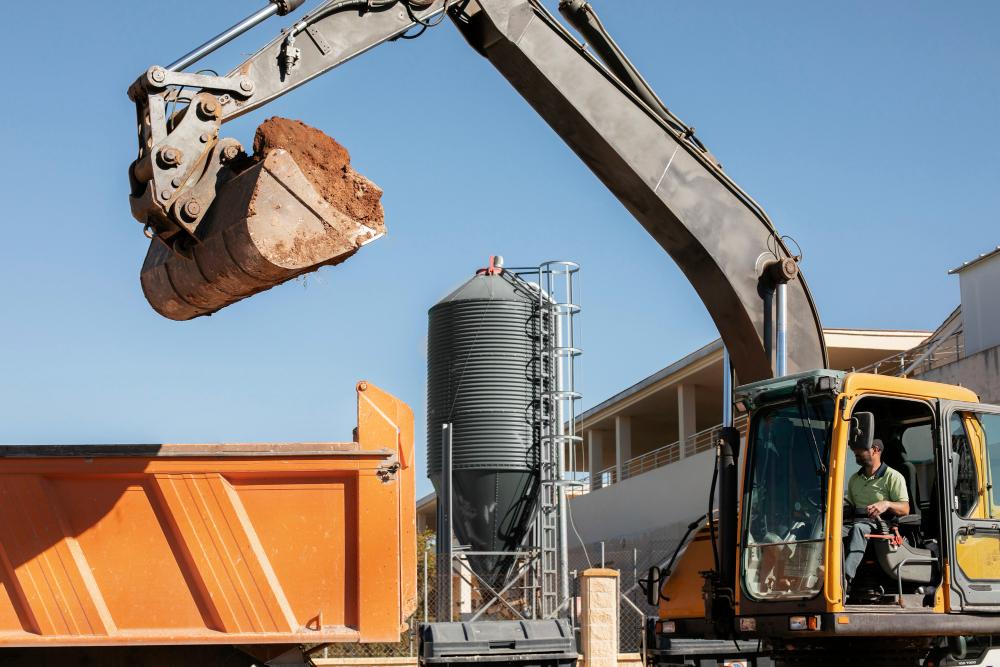
A real small pour: 3 cubic yards in Oakland
One order National Dispatching handled was 3 cubic yards of 4000-PSI concrete for a single pour in Oakland, California. The order came to $1,135.
Three yards is well inside ready-mix short load territory. On an order that size, the fees and the timing matter as much as the price per yard, because one missed window can move the total more than a better rate ever would.
What protects an order like this is unglamorous work: exact yardage at Intake, every fee visible at Quote, a nearby plant at Source, and a site contact who has confirmed the pour is ready before the truck rolls.
Why route small pours through one desk instead of calling plants yourself
Calling a plant directly for a ready-mix short load works fine when you know the plant, its fees and the site. It gets harder when the pour is two counties over, the crew is new to the area, or the same project also needs base rock, a dump truck and restrooms that week.
A single desk changes two things. You get fees from several plants compared on one quote, instead of collecting them one phone call at a time. And one team owns the timing between the plant and the site, so when the forms slip by an hour, someone moves the truck before it leaves the yard, not after it is already waiting at your gate.
National Dispatching does this through a pre-qualified network of about 2,480 vendor accounts across the United States, built over 15 years of coordinating construction orders. If you want the bigger picture of how that works, read about the difference between a vendor and a procurement partner.