

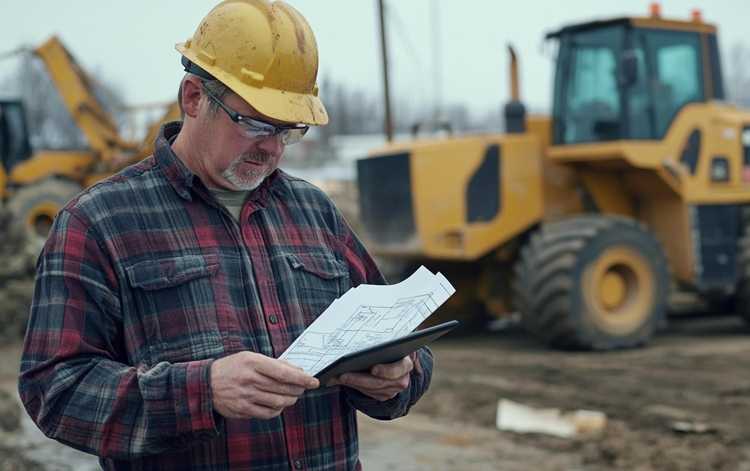
The excavator you booked is sitting at the wrong site. Your crew is idle. The supplier says the order was confirmed yesterday. The dispatcher says it was scheduled for a different project. No one is technically wrong, but your schedule just slipped a full day.
This is exactly where the confusion between procurement vs dispatching construction shows up on real jobs. One secures the resource. The other gets it where it needs to be. When those two don’t align, you pay for it in time, labor, and equipment overruns.
What Is Construction Procurement
Construction procurement is the process of sourcing, negotiating, and securing materials, equipment, and services required for a project. It focuses on selecting the right vendors, pricing, and terms before anything reaches the site.
Procurement is owned by project managers, procurement officers, or commercial teams. It happens before execution begins and continues in phases as project needs evolve.
What procurement actually includes on a job
- Vendor sourcing and prequalification
- RFQs and bid comparisons
- Contract negotiation
- Equipment rental agreements
- Material purchasing aligned with specs
If you are renting a 32,000-38,000 lbs, Excavator or ordering 200 cubic yards of concrete, procurement ensures you get the right supplier at the right price and within your required timeline.
It also plays a compliance role. For example, sourcing must align with safety standards such as Occupational Safety and Health Administration guidelines when equipment or materials impact worker safety.
Procurement answers one question clearly:
What are we getting, from whom, and at what cost?
What Is Equipment Dispatching
Equipment dispatching is the process of scheduling, coordinating, and delivering equipment and materials to the job site at the right time and location. It focuses on execution after procurement decisions are made.
Dispatching is typically handled by logistics coordinators, dispatch teams, or a dedicated equipment dispatching service provider.
What dispatching covers in practice
- Scheduling deliveries based on job timelines
- Assigning trucks and drivers
- Coordinating between multiple sites
- Tracking equipment in real time
- Adjusting for delays, weather, or site readiness
If procurement secured a skid steer for Monday, dispatching ensures it actually arrives Monday morning, not Tuesday afternoon.
Dispatching answers a different question:
When, where, and how does the resource get to the job site?
Procurement vs. Dispatching: Side-by-Side Comparison
| Factor | Procurement | Dispatching |
|---|---|---|
| Core Function | Sourcing and purchasing resources | Delivering and coordinating resources |
| Timing | Pre-construction and planning phases | Execution phase and ongoing operations |
| Ownership | Procurement team or project manager | Dispatch team or logistics provider |
| Vendor Interaction | Negotiates and selects vendors | Coordinates with vendors for delivery |
| Output | Contracts, POs, supplier agreements | Scheduled deliveries and site execution |
| Risk Area | Overpaying or wrong vendor selection | Delays, misallocation, idle equipment |
| Scope | Strategic decision-making | Operational coordination |
This table is where most teams get clarity. Procurement is upstream. Dispatching is downstream. Both are required for a job to move without friction.
Why the Confusion Between the Two Terms Costs Projects Money
When procurement and dispatching are treated as the same function, accountability gets blurred. That’s when problems start showing up.
1. Equipment arrives late or at the wrong site
Procurement confirms availability, but without proper dispatch coordination, the equipment might be sent elsewhere.
2. Crews sit idle
A 10-person crew waiting 4 hours for equipment can cost thousands in lost productivity.
3. Double bookings and missed schedules
Without centralized dispatching, the same asset may be allocated to two projects.
4. Vendor miscommunication
Procurement speaks in contracts. Dispatching speaks in timelines. If those don’t align, suppliers deliver based on outdated instructions.
5. Increased rental durations
If equipment arrives late or early, you pay for days you didn’t actually use.
On a multi-site commercial build, these issues compound quickly. A single missed delivery can push back inspections, which then affects subcontractors and downstream trades.
Which One Do You Need – or Do You Need Both
You need both. The real question is how integrated they are.
When procurement alone might seem enough
- Small residential projects
- Single vendor relationships
- Minimal equipment movement
Even here, dispatching still exists, but it’s often handled informally.
When dispatching becomes critical
- Multi-site projects
- High equipment turnover
- Tight schedules with overlapping trades
When you absolutely need both working together
- Commercial construction projects
- Infrastructure work
- Projects with multiple vendors and equipment types
If you are managing multiple job sites, procurement without dispatching coordination creates blind spots. You may secure resources efficiently but still fail in execution.
How National Dispatching Handles Both Under One Roof
National Dispatching combines procurement and dispatching into a single operational system. That removes the handoff gap where most delays happen.
Instead of separate teams working in isolation, everything is coordinated through one platform.
What this looks like in practice
- You request equipment or materials once
- Vendor sourcing and pricing are handled centrally
- Dispatch schedules are aligned with your project timeline
- Real-time updates keep your team informed
- Adjustments are handled without back-and-forth calls
This approach simplifies construction vendor management. You are not juggling multiple suppliers, transporters, and schedules across spreadsheets and calls.
If you are looking for a unified approach, their
procurement and dispatching services
bring both sourcing and execution into one workflow.
This is especially useful when managing multiple projects where equipment needs to move between sites without delays.
Final Thoughts
You don’t lose time on a project because you failed to order equipment. You lose time because what you ordered didn’t show up when and where you needed it.
That gap between decision and delivery is where most projects struggle.
When procurement and dispatching operate as one system, you gain control over both cost and execution. You reduce idle time, improve scheduling accuracy, and keep your crews moving.
If your current process involves chasing vendors, confirming deliveries manually, and reacting to delays, it’s worth rethinking how these two functions are connected.
A coordinated approach to sourcing and logistics is not a luxury on active job sites. It’s a requirement if you want projects delivered on time and within budget.

